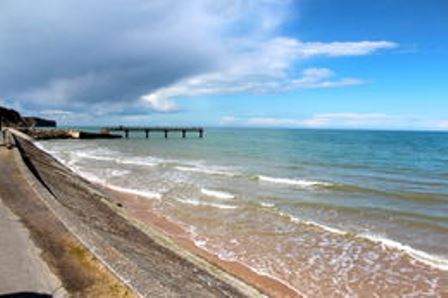
We are staying in Caen , about 2 to 3 hours from Paris on the northern coast of Normandy and the area known as the D-Day Beaches. The beaches of Normandy are located along the English Channel in France’s north-western corner.
Now follows a history lesson, so if you are not interested pass this by, but we found it very moving especially as I have just finished reading my Dad’s recently finished book in which he talks of his time fighting for our country in Papua New Guinea around the same period of the second world war …..
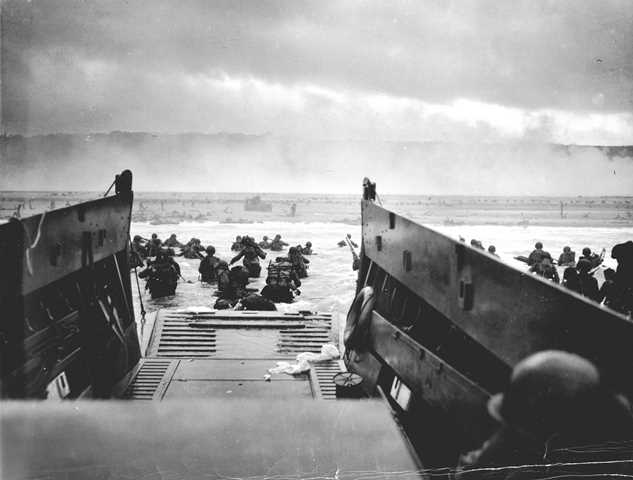
On June 6, 1944 – now known as D-Day – Operation Overlord, the long-awaited invasion of Northwest Europe, began with Allied landings on the coast of Normandy. The task was formidable, for the Germans had turned the coastline into an interlinked series of strongpoints, each with guns, pill boxes, barbed wire, land mines, and beach obstacles. Following an extensive bombardment of the assault areas, the Allies launched a simultaneous landing of U.S., British, Canadian and French forces on five separate beaches code-named:
- Juno Beach (Canadian)
- Gold Beach (British)
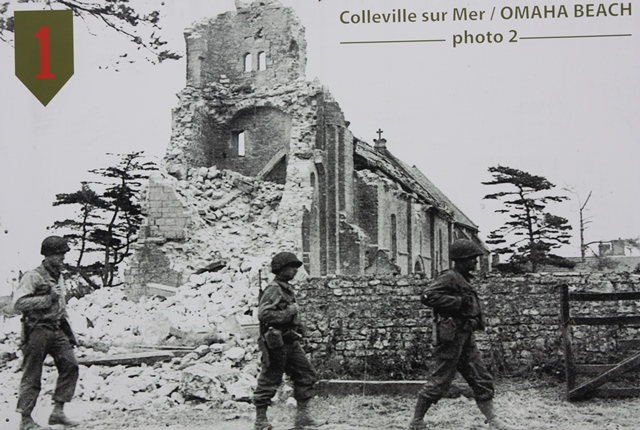
- Omaha Beach (American)
- Utah Beach (American)
- Sword Beach ( British
It was an incredible accomplishment; the formidable Atlantic Wall had been successfully breached. By the end of D-Day, the Allies had landed more than 150,000 troops in France by sea and air, 6,000 vehicles including 900 tanks, 600 guns and about 4,000 tons of supplies and, astonishingly, had achieved complete surprise in doing it. More soldiers and supplies were pouring ashore to continue the advance on D-Day. The victory was a turning point in World War II and led to the liberation of Europe and the defeat of Nazi Germany.
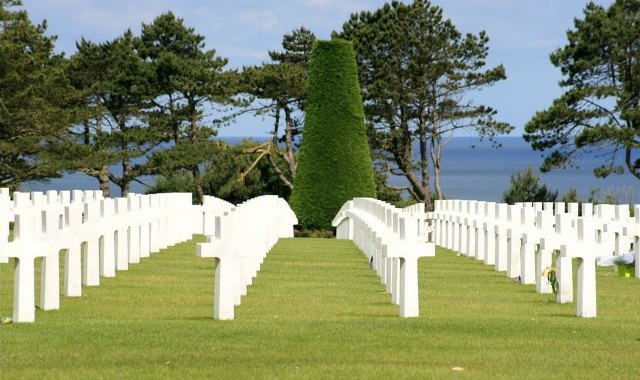
We also visited the Normandy American Cemetery. The Normandy American Cemetery and Memorial in France is located on the site of the temporary American St. Laurent Cemetery, established by the U.S. First Army on June 8, 1944 and the first American cemetery on European soil in World War II. The cemetery site covers 172.5 acres and contains the graves of 9,387 of US military dead, most of whom lost their lives in the D-Day landings and ensuing operations. On the Walls of the Missing in a semicircular garden on the east side of the memorial are inscribed 1,557 names. Rosettes mark the names of those since recovered and identified.
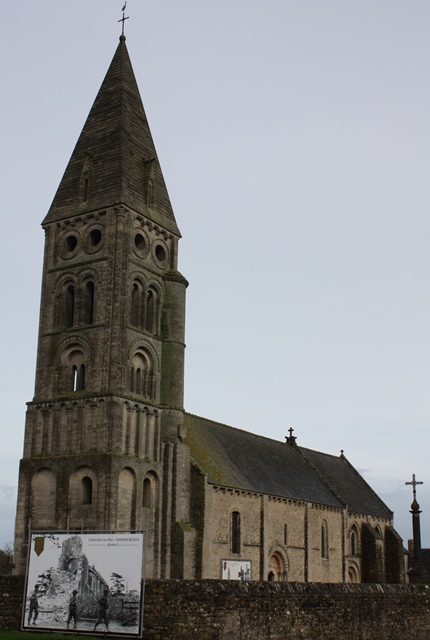
Now more than 60 years after D-Day, the Normandy coast is peaceful with lovely seaside towns and picturesque beaches. Behind the coast is an old-fashioned farming landscape of grain fields, cattle and pastures, hedges and farmhouses. But the memories of war and D-Day are engrained in the landscape. Along the 100km D-Day invasion coast there are the
remains of German gun emplacements and bunkers, while war memorials and monuments mark where the allied forces landed on the beaches. Inland, there are monuments in almost every village and at every bend in the road, for there is barely a square yard that wasn’t fought over. Beautiful cemeteries overlook the sea and countryside.