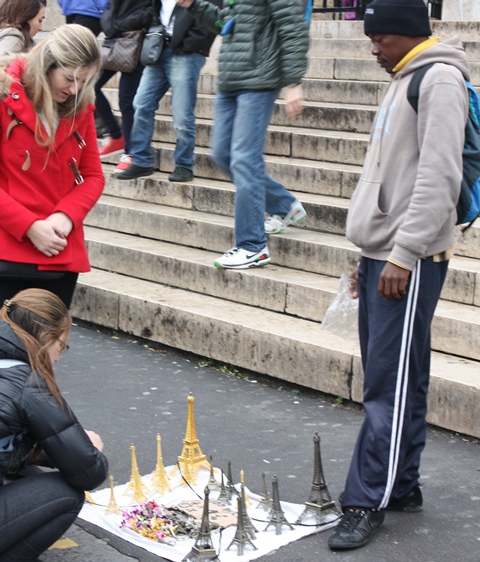
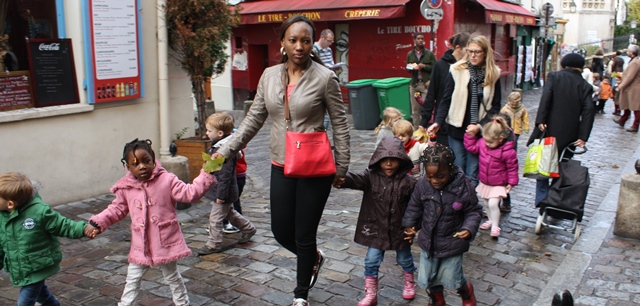
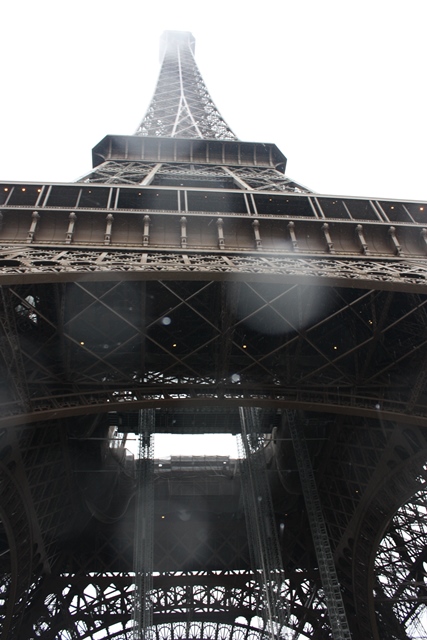
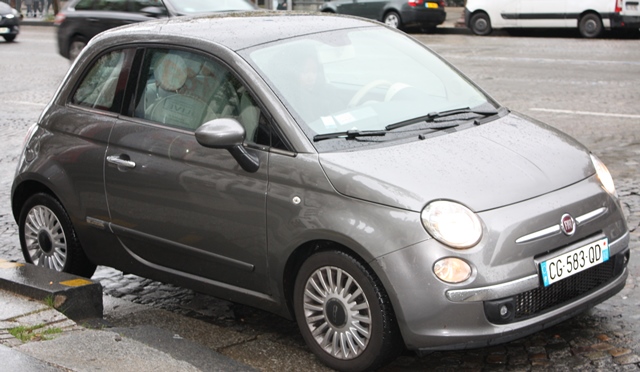
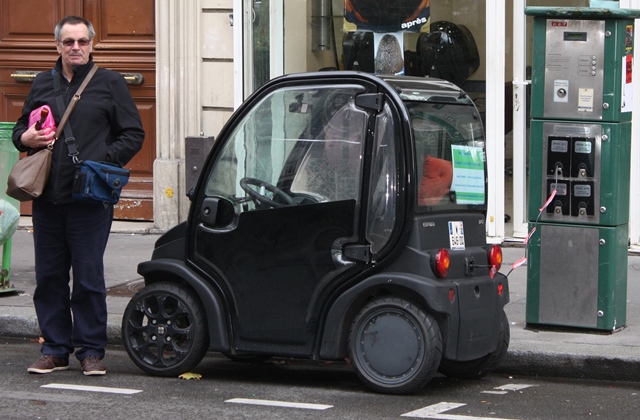
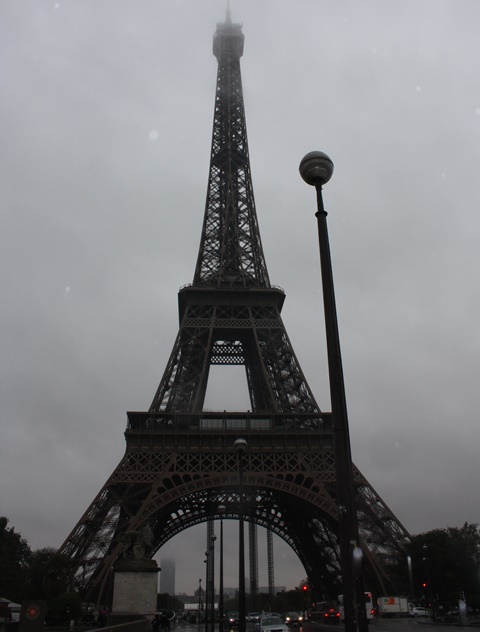
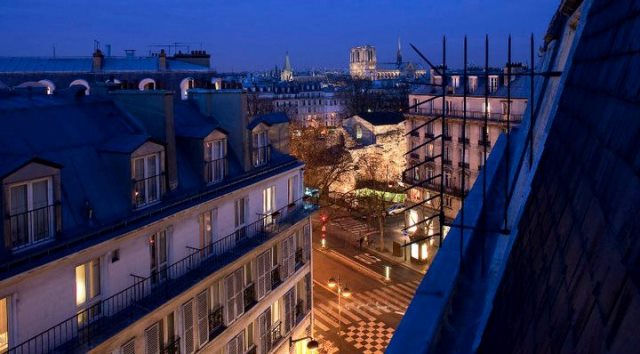
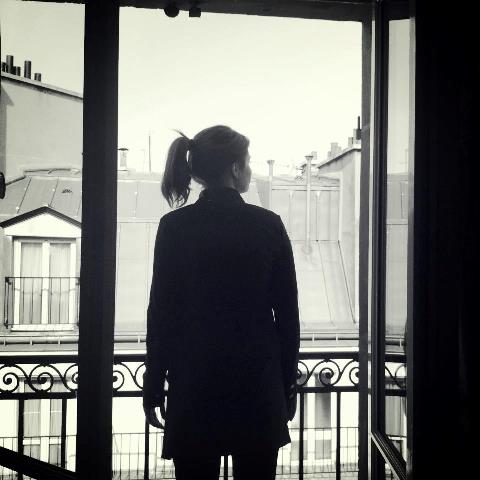
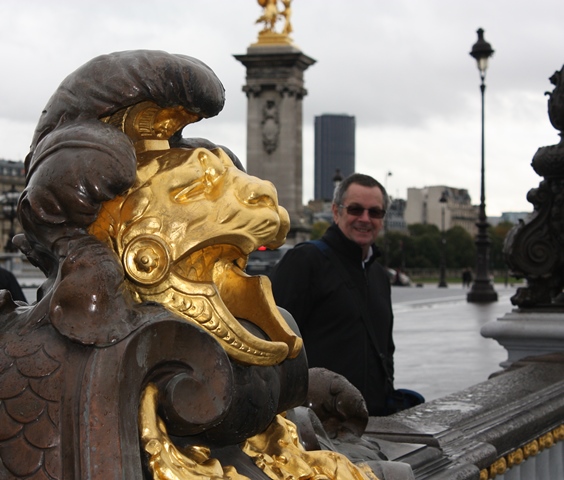
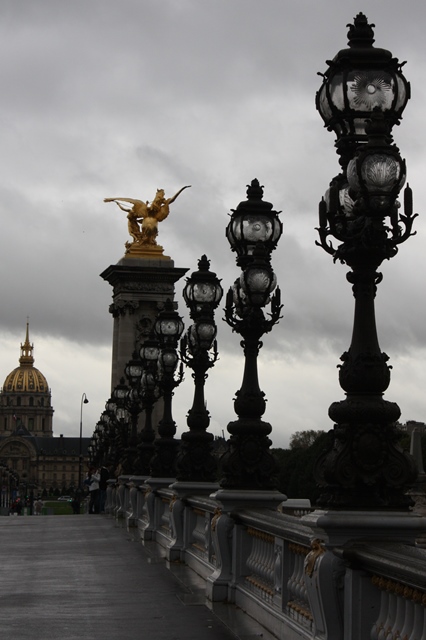
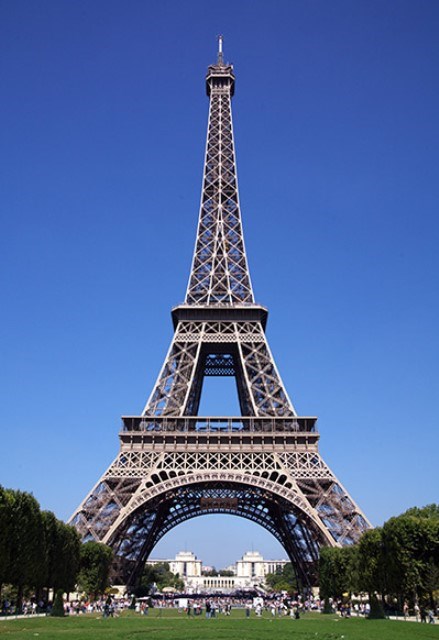
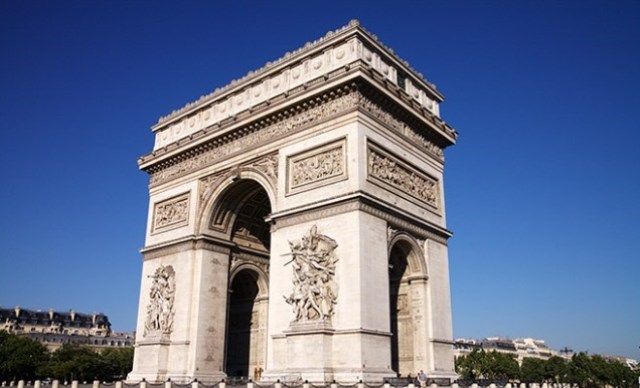
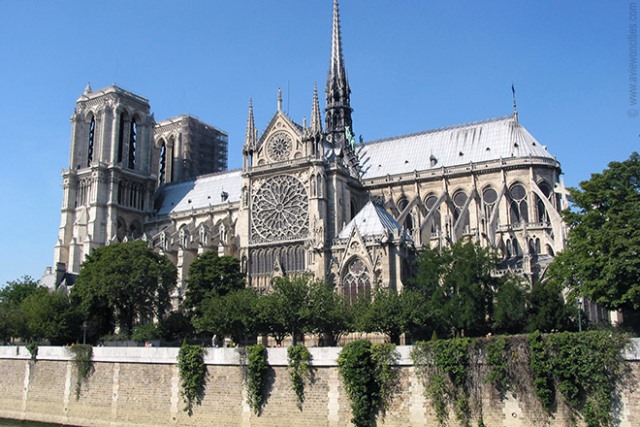
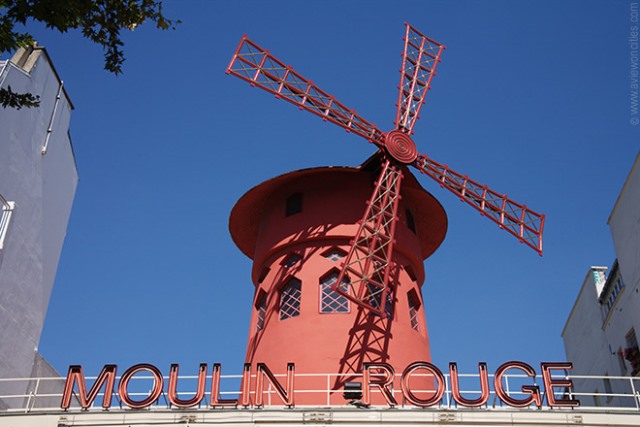
We are sooo lucky to be back in Paris again…. even early morning drizzle, busy streets etc, (Yes….another purchase of a another beret hat and umbrella to keep dry with) do not dampen our spirits for this beautiful city. Even after we walk at least 10km a day and start to get a bit niggly, it is still romantic. We stayed in a cute little boutique hotel, Le Petit Belloy, in the arty and café area of St Germain. Thank you Diane for this recommendation. Perfect !!
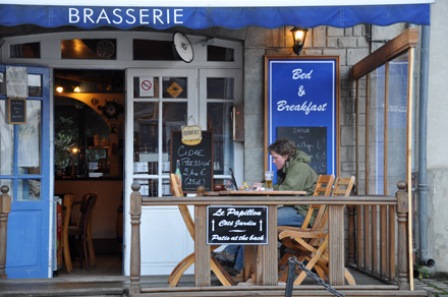
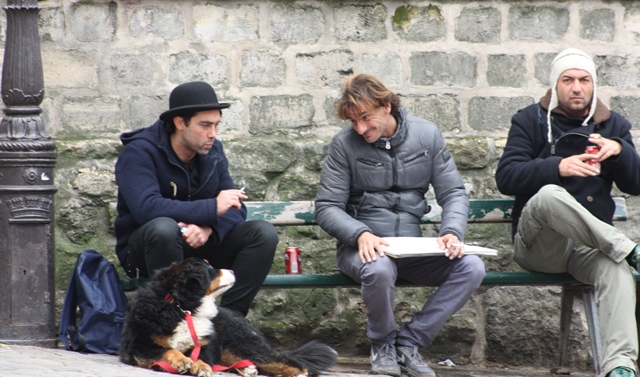
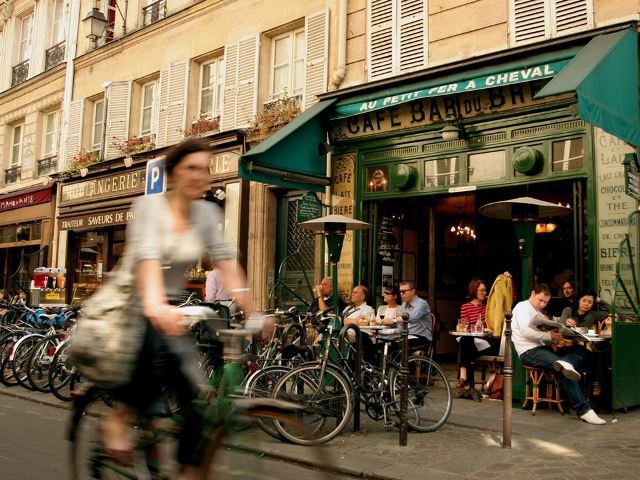
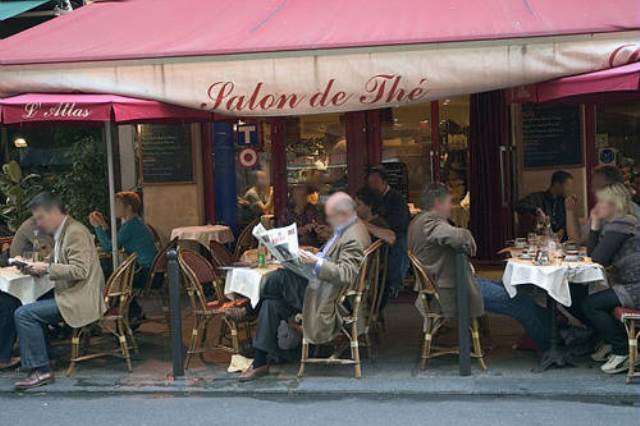
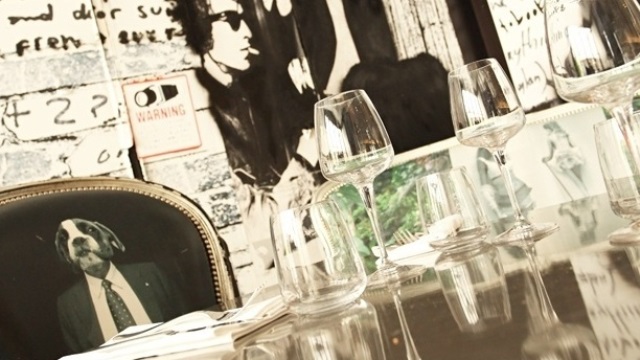
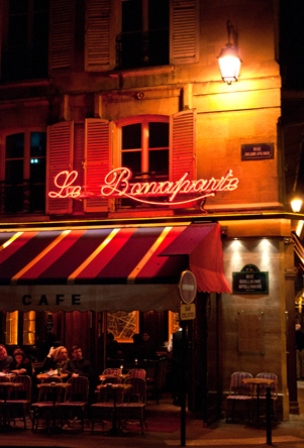
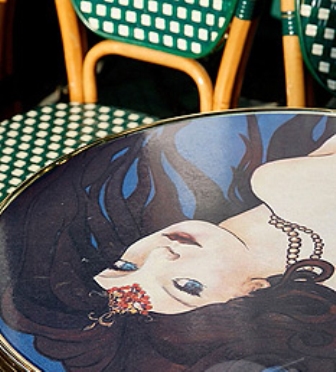
Paris cafes are possibly the most well-known image of the City of Light. The Paris Cafe is more than a place to sip coffee. It is an institution in Paris, it is a magnet for tourists, it is a cultural phenomenon. No trip to Paris is complete without a relaxing, long sit with some fascinating people-watching at a Paris cafe.
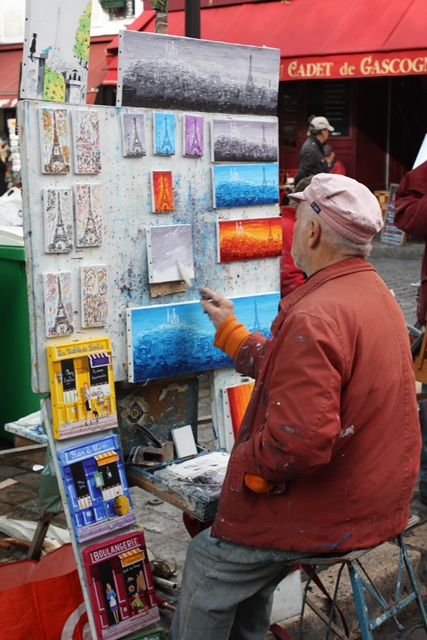
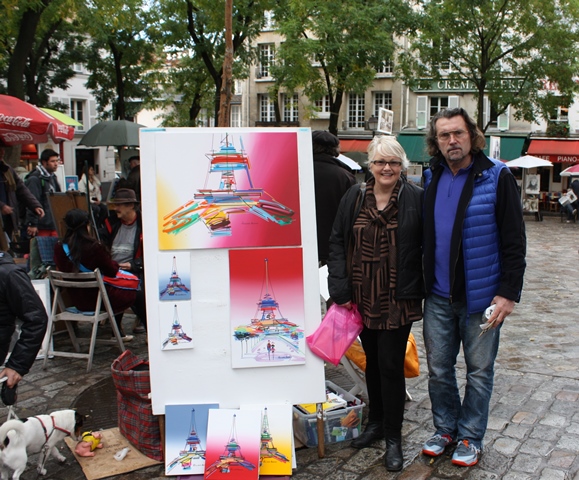
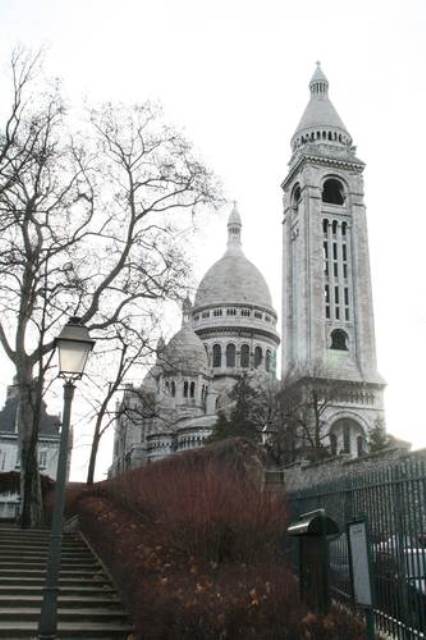
We also visited Montmartre again, a neighbourhood located at the summit of Paris, it is one of the city’s most poetry-drenched spots. The narrow, steep, cobblestone-paved streets, stairways, hidden gardens, cemeteries, and vineyards show that Montmartre was, until recently, a village in its own right, tucked away from the city. Pablo Picasso, Salvador Dali, and countless other artists and writers worked their magic here. It is now an artist’s haven.
We will be sad to leave Paris !!! Although, in a petit way, Hobart comes close.

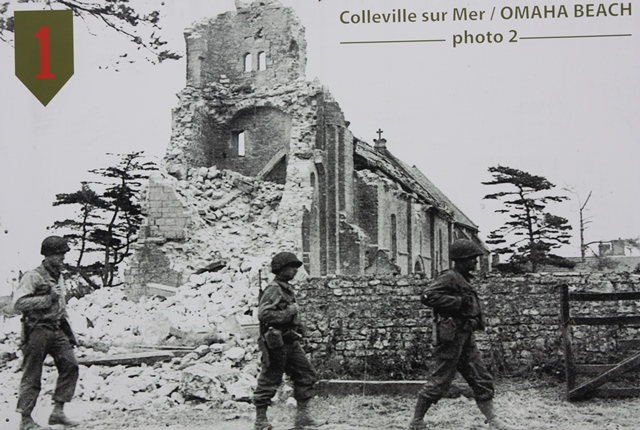
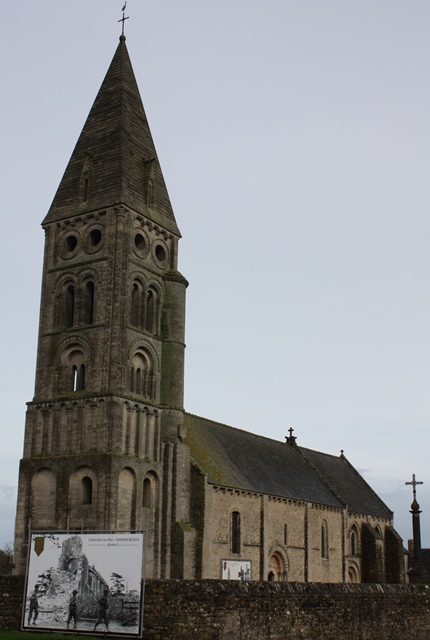
We are staying in Caen , about 2 to 3 hours from Paris on the northern coast of Normandy and the area known as the D-Day Beaches. The beaches of Normandy are located along the English Channel in France’s north-western corner.
Now follows a history lesson, so if you are not interested pass this by, but we found it very moving especially as I have just finished reading my Dad’s recently finished book in which he talks of his time fighting for our country in Papua New Guinea around the same period of the second world war …..
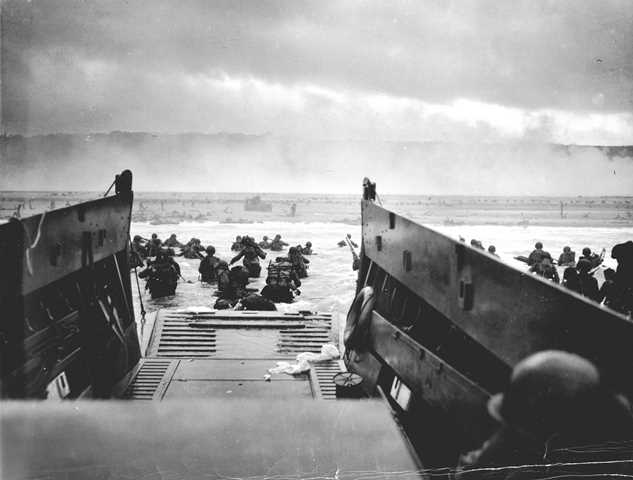
On June 6, 1944 – now known as D-Day – Operation Overlord, the long-awaited invasion of Northwest Europe, began with Allied landings on the coast of Normandy. The task was formidable, for the Germans had turned the coastline into an interlinked series of strongpoints, each with guns, pill boxes, barbed wire, land mines, and beach obstacles. Following an extensive bombardment of the assault areas, the Allies launched a simultaneous landing of U.S., British, Canadian and French forces on five separate beaches code-named:
It was an incredible accomplishment; the formidable Atlantic Wall had been successfully breached. By the end of D-Day, the Allies had landed more than 150,000 troops in France by sea and air, 6,000 vehicles including 900 tanks, 600 guns and about 4,000 tons of supplies and, astonishingly, had achieved complete surprise in doing it. More soldiers and supplies were pouring ashore to continue the advance on D-Day. The victory was a turning point in World War II and led to the liberation of Europe and the defeat of Nazi Germany.
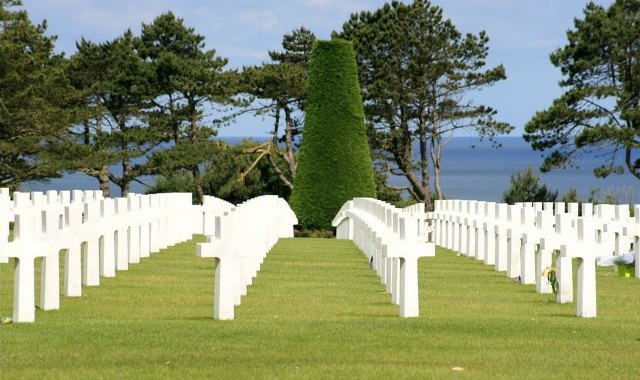
We also visited the Normandy American Cemetery. The Normandy American Cemetery and Memorial in France is located on the site of the temporary American St. Laurent Cemetery, established by the U.S. First Army on June 8, 1944 and the first American cemetery on European soil in World War II. The cemetery site covers 172.5 acres and contains the graves of 9,387 of US military dead, most of whom lost their lives in the D-Day landings and ensuing operations. On the Walls of the Missing in a semicircular garden on the east side of the memorial are inscribed 1,557 names. Rosettes mark the names of those since recovered and identified.
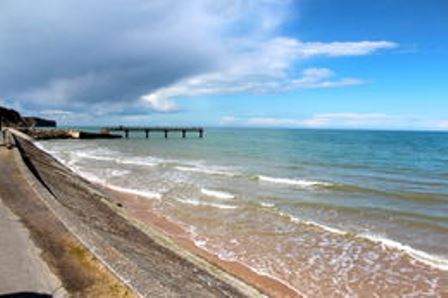
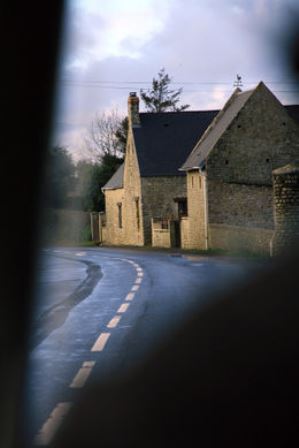
Now more than 60 years after D-Day, the Normandy coast is peaceful with lovely seaside towns and picturesque beaches. Behind the coast is an old-fashioned farming landscape of grain fields, cattle and pastures, hedges and farmhouses. But the memories of war and D-Day are engrained in the landscape. Along the 100km D-Day invasion coast there are the
remains of German gun emplacements and bunkers, while war memorials and monuments mark where the allied forces landed on the beaches. Inland, there are monuments in almost every village and at every bend in the road, for there is barely a square yard that wasn’t fought over. Beautiful cemeteries overlook the sea and countryside.
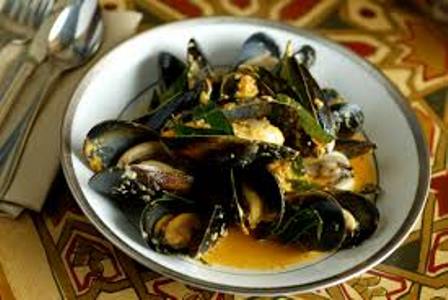
Rinse and scrub mussels under cold water.
Using your fingers or pairing knife, remove beards (strings that hang from the mussel shells), and discard.
In a large stockpot set over medium heat, combine wine, shallots, garlic, and salt.
Remove from heat.
Divide mussels and broth among four bowls.
Serve immediately….. naughty but good with frites or crunchy sourdough !!!!
Sauce:
1 1/2 cups freshly squeezed orange juice
2 tablespoons sugar
2 teaspoons grated orange zest
2 tablespoons orange liqueur (recommended: Grand Marnier) 3 oranges, peeled and sectioned
Vanilla ice cream, for serving
Crepes:
Directions
Whisk together the flour and salt in a medium bowl. Whisk together the eggs and sugar in a large bowl until pale. Whisk in 1 1/2 cups of the milk, orange liqueur, vanilla, and orange zest and flour until combined. If the mixture is too thick, add the remaining milk until a thin consistency is achieved. Cover and refrigerate batter for 30 minutes.
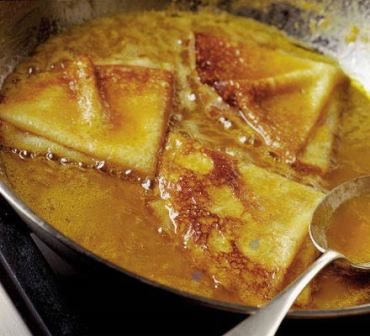
Heat an 8-inch crepe pan or skillet over medium heat for about 1 minute. Cover the surface of the pan with clarified butter until it gets sizzling hot. Ladle some batter onto the middle of the crepe pan and immediately start swirling the pan to distribute the batter over the surface. Cook for 45 to 60 seconds or until lightly golden brown. Flip over and cook the other side for 20 seconds. Remove to a plate and repeat with the remaining batter.
Sauce:
In a large skillet over high heat, bring the orange juice to a boil. Add the sugar and zest, reduce the heat to a simmer, and cook until the sugar has melted and the mixture is slightly reduced, about 5 minutes. Remove from heat and add the orange liqueur and orange sections. Set aside.
Working in batches, gently place a crepe into the pan holding the orange juice and orange sections. Leave for 1 minute to absorb some juice. Using a narrow spatula, remove the crepe to a warm serving plate. Repeat with remaining crepes. Roll the crepes into a cylinder. Spoon on some of the orange sections. Serve 2 crepes per person. Top with vanilla ice cream and serve immediately.
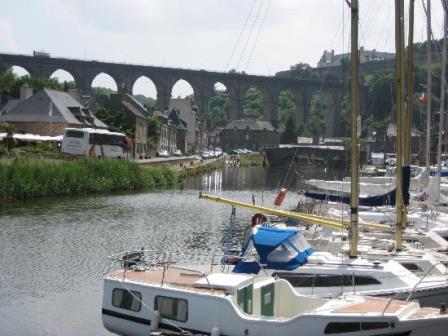
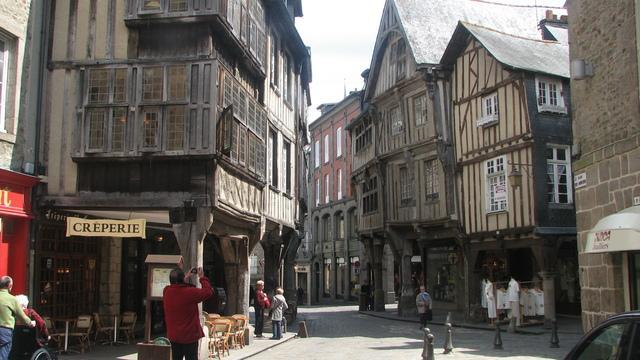
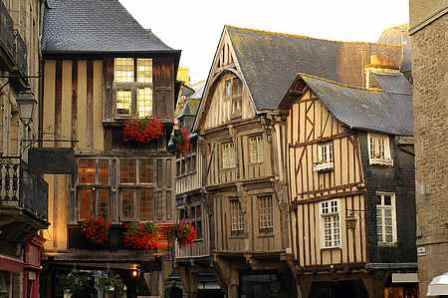
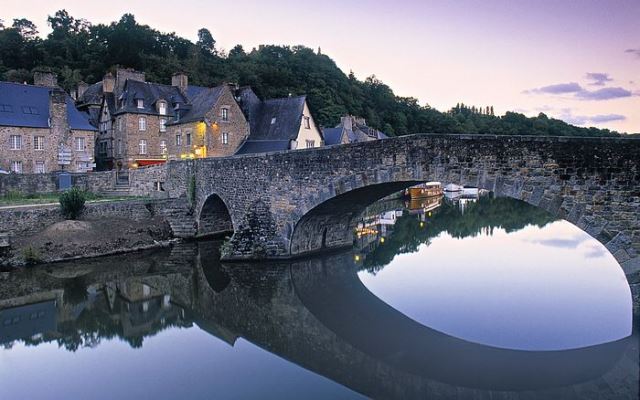
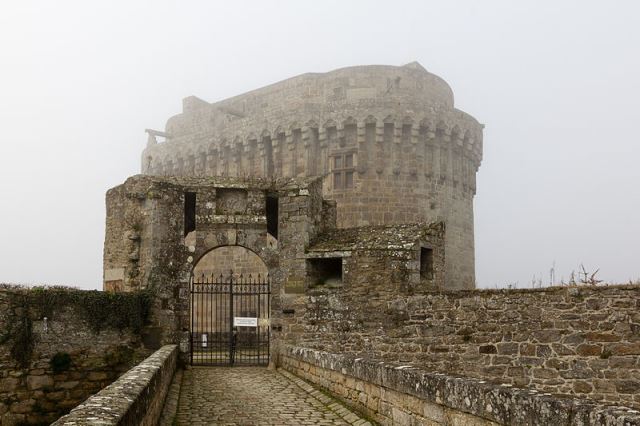
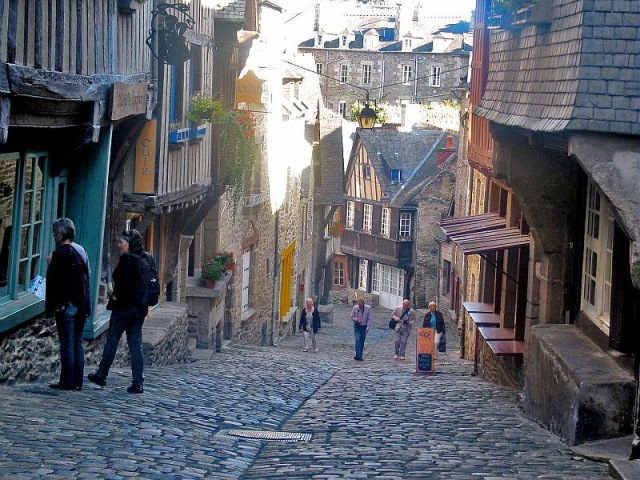
Dinan is without doubt, one of the most attractive and best preserved small towns in Brittany that we have visited. With its 3 km long ramparts, half-timbered houses, attractive port and cobbled streets filled with art galleries and craft shops, it was certainly worth a day of our time yesterday. I know, another walled ancient town. They are everywhere in France and each one quite incredible !!!
Today we are having a lazy day. It does not get light here until after 8am so the mornings are always a slow start. We are going to our favourite restaurant in a nearby town to enjoy our last lunch in Brittany. I wonder what he is cooking today??? There are no shops or restaurants in our tiny hamlet where we are staying. It is very quiet and peaceful. Good, before we hit Paris in a few days……….
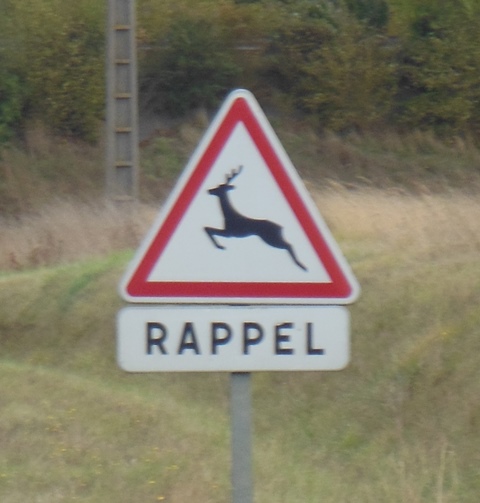
Well it is evening now, and we enjoyed a great lunch. We were not disappointed. Mal had steak and crème brulee. I opted for the set menu (whatever the chef is cooking on the day). I started with vegie soup (delicious) and then something with meat from the forest….whatever the meat was it had antlers (the waiter used hand signs for description), but it was apparently not venison, so I have no idea. It was good though !!!!